A modern herbarium dedicated to the science of botanical flavor. Every ingredient broken down to the molecule. Every extraction backed by the compound map.
Explore Field Notes
Every botanical has a compound map. A fingerprint of molecules that determines what you taste, what you smell, and how those signals interact. Most flavor work starts with "does this taste good?" We start with "what is this, molecularly, and what role does it play?"
Compound-first methodology. Lab-verified extraction. Every Field Note published here starts at the molecular level and builds upward.
Chromatography reveals concentrations. GC-MS breaks down volatile identity. We identify the compound before we name the flavor.
Traditionally rooted by modern standards. Every botanical cross-references its folk pharmacopeia against its cognitive molecular identity.
Piedmont watershed sourcing. Eno River Tonic Lab wildcrafting from our own backyard, respecting seasonal windows and sustainable harvest.
Rotovap distillation, ultrasonic homogenization, percolation. Each method chosen to preserve specific compound families intact.
Linalool, Limonene, Pinene
Coriander, Orange, Angelica, Bay Leaf
Isoamyl Acetate, delta-Decalactone
Elderflower, Mango, Fenugreek
Eugenol, Thymol, Guaiacol
Ginger, Cassia, Bay Leaf
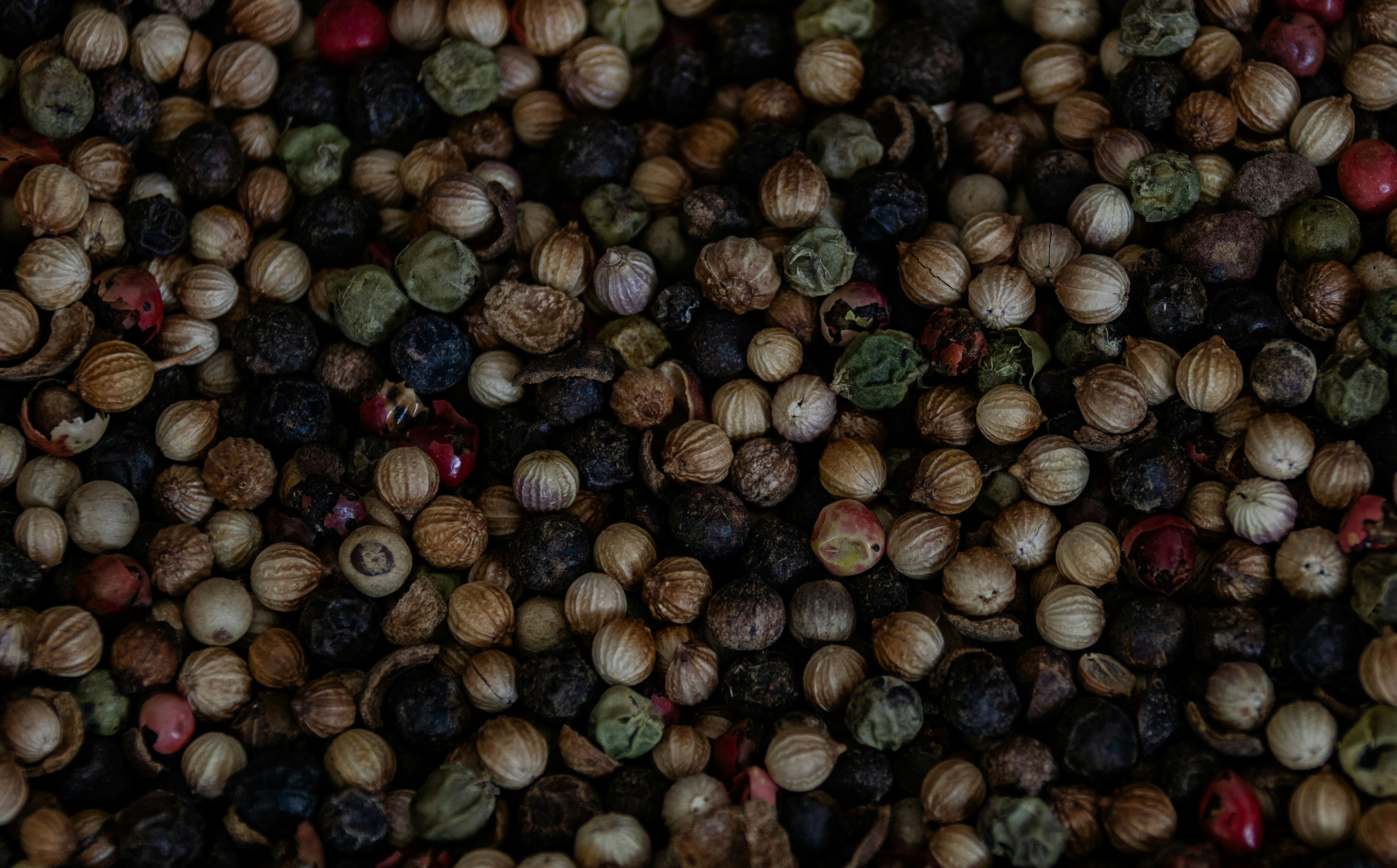
Amarogentin, Caffeine, Piperine
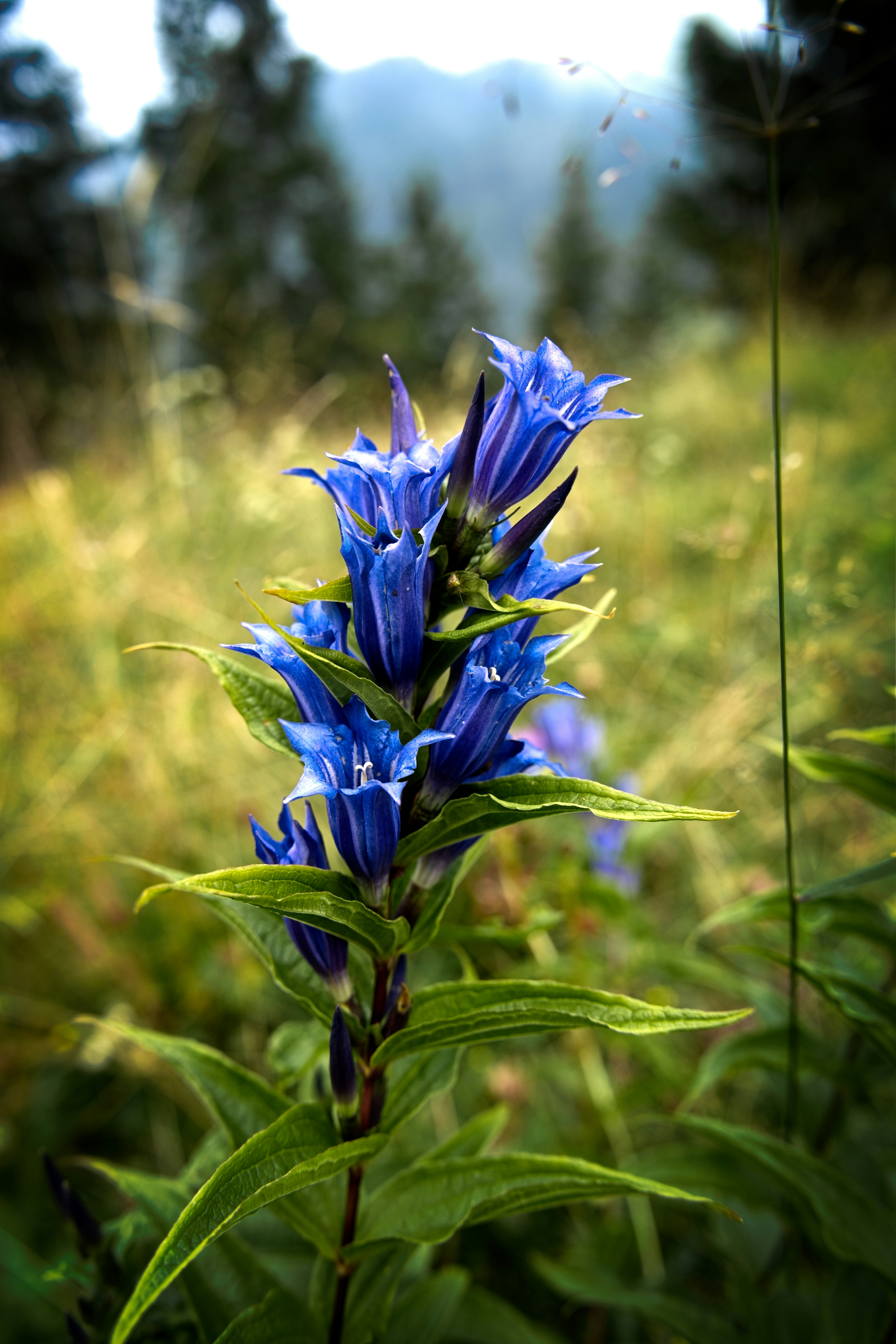
Gentian Root, Black Pepper, Chicory
Benzaldehyde, Cinnamaldehyde, Citral
Cherry Bark, Cassia, Orange
Catechins, Ellagitannins, Juglone
Walnut, Burdock, Wormwood
A free educational course on how flavor actually works, from the compound level up. Understand the science behind what you are tasting.
Start Learning
Field Note #005
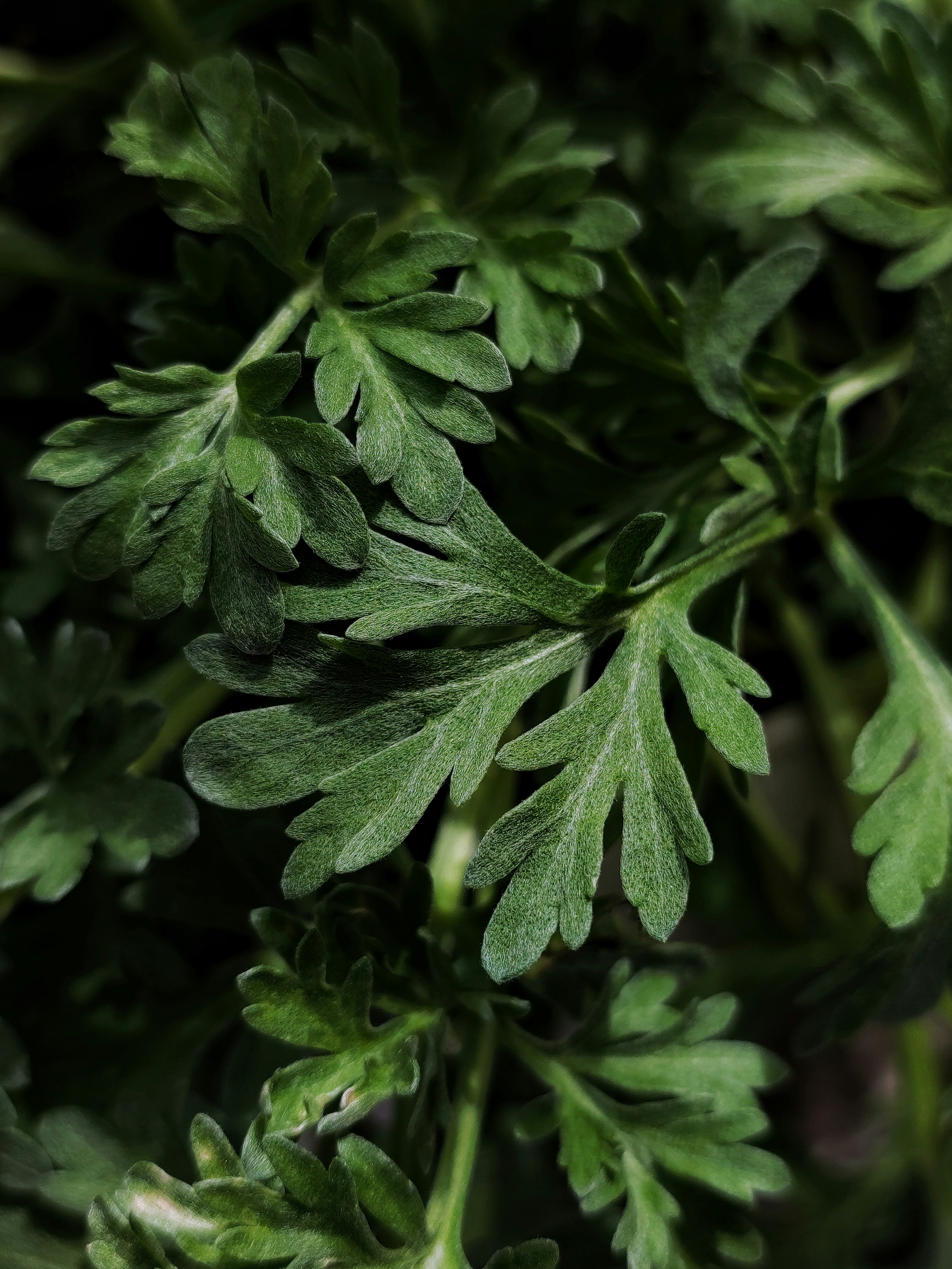
The bitterest botanical in the Western canon. Thujone gives it the reputation, but the sesquiterpene lactone absinthin is what makes your mouth pay attention.
Field Note #004
Hydroxy-alpha-sanshool triggers your touch receptors, not your taste buds. It's a tingling frequency, not a flavor.
Field Note #012
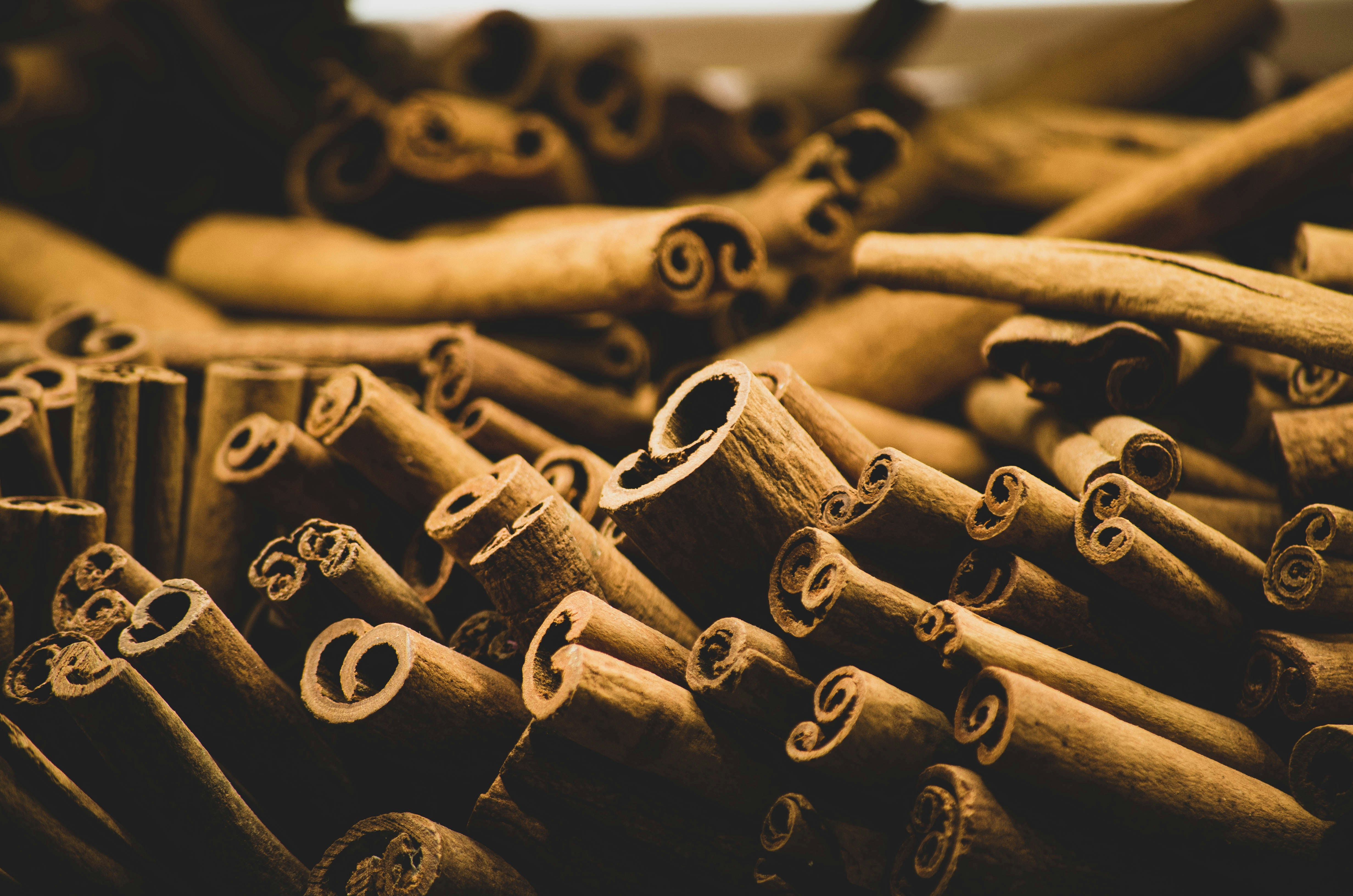
Cinnamaldehyde makes up 75-90% of cassia bark oil. Your brain registers it as "cinnamon," but what you're tasting is a TRPA1 receptor activation that reads as warm and sweet.
The Classics, Finished.
Compound gap analysis on what classic bitters couldn't provide in 1824. Craft bitters built on molecular precision, designed to structurally complete the drink they're used in.
Visit Site →Flavor R&D Lab. Durham, NC.
Botanical extraction services, craft bitters production, and the lab behind everything on this site. Rotovap distillation, ultrasonic homogenization, and compound-first formulation.
Visit Site →Live Well. Taste Everything.
Where the science meets the glass. Cocktail culture, tasting notes, and the practical application of everything researched in the lab.
Visit Site →